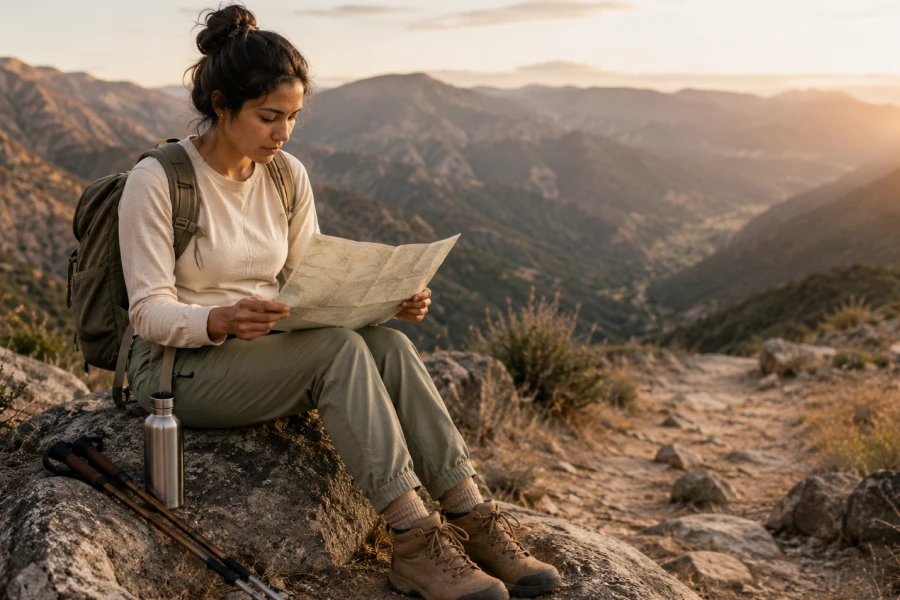
A quiet morning trail can make an ordinary weekend feel unexpectedly generous. Hiking solo on a budget works best when the trip begins with a realistic radius around home. Nearby routes reduce transit costs and leave more room for lingering at overlooks. They also make a weather change easier to manage without drama. Start by choosing one experience you want from the day. Maybe you want stillness, a viewpoint, or simply stronger legs. That purpose keeps planning from becoming an endless search. A simple outing can teach more than an expensive escape. It builds confidence through familiar decisions and manageable risks. Soon, the trail becomes a regular place rather than an occasional fantasy. Local familiarity also makes it easier to notice seasonal changes and trail conditions over time.
Begin with trails that fit your current energy, daylight, and transport options. A reachable route lowers the pressure to prove something on every outing. Check access details before you build the rest of the day. Then create a small plan around departure, return, food, and weather. Use an affordable hiking plan and solo hiking safety routine to frame those essentials without clutter. Share your destination and expected return time with one trusted person. Keep a backup route nearby in case parking or conditions disappoint. This preparation takes minutes once it becomes familiar. More importantly, it gives the day a dependable beginning. You can step onto the trail with attention instead of uncertainty. A plan that feels attainable is far more likely to become part of your routine.
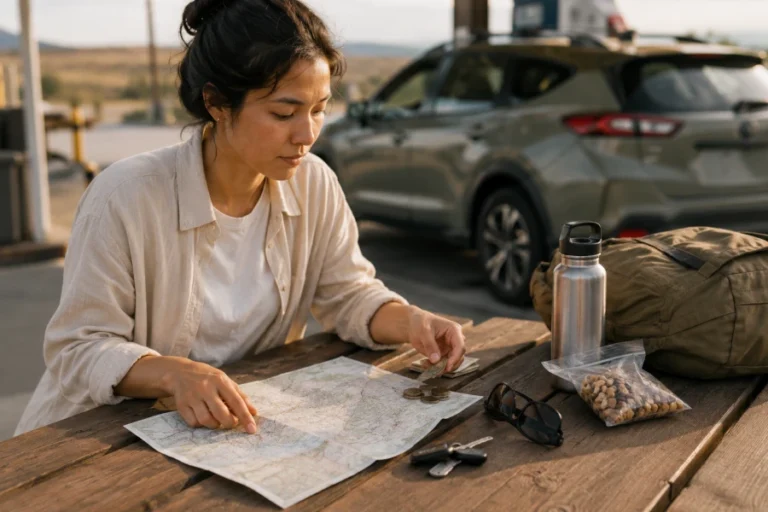
Costs become easier to control when you decide what deserves priority. Transportation, water, food, permits, and recovery time all affect the total. Put the essentials first, then leave optional comforts for later. A long drive may cost more than an overnight stay. Conversely, a closer trail can free money for nourishing food afterward. Look for low-fee public lands, neighborhood transit, and flexible departure times. Compare the entire day instead of fixating on one cheap line item. A modest buffer protects the plan when small surprises appear. That buffer may cover a detour, extra water, or a warm drink. Good budgeting supports the experience instead of shrinking it. That perspective helps you focus on usefulness instead of collecting equipment for its own sake.
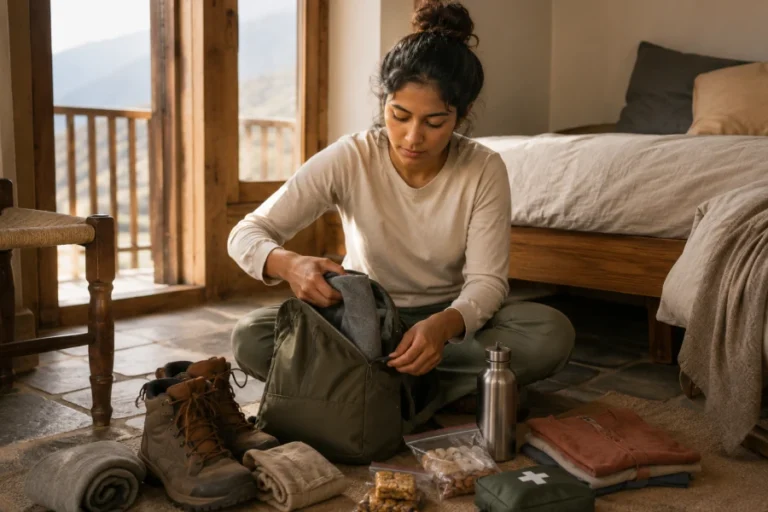
Packing becomes calmer when each item earns its place before leaving home. Choose layers that work together rather than buying clothing for every forecast. Carry water, snacks, sun protection, and a basic response kit. Add only tools that solve a likely problem on this route. Check offline trail maps while service is still reliable. A printed backup can feel wonderfully low-tech and reassuring. Borrowing equipment is useful when you are testing a new activity. Secondhand finds can also reveal what quality matters most. After each hike, note what stayed untouched in your pack. That small habit steadily reduces weight, waste, and unnecessary spending. When you listen closely, the route often tells you exactly when enough has become plenty.
The most memorable solo hikes rarely follow a race against the clock. Pause when the light changes, when the trail opens, or when your breath settles. Notice where you feel most alert and where attention starts slipping. Those signals teach you which pace truly suits you. Keep breaks deliberate rather than waiting until exhaustion makes them necessary. Turn around early when conditions no longer support a comfortable return. A shorter day can still feel complete when you stay present. The landscape rewards patience more than ambition. You are building a relationship with the route, not winning a contest. That mindset makes frequent outings easier to sustain.
A few notes after returning can make every future trip more efficient. Record departure time, actual costs, trail conditions, and one surprise. Use a trail journal template to keep those details in one place. The point is not to produce a polished travel diary. It is to remember what helped and what created friction. Maybe a bus connection worked better than expected. Maybe an earlier snack break improved the entire afternoon. Patterns appear quickly when observations remain concrete. Those patterns guide better choices without turning recreation into paperwork. Over time, your planning becomes personal, practical, and much faster.
Repeatable travel habits grow from plans that leave room for ordinary life. Keep your next route small enough to schedule without a major reset. Treat preparation as a friendly ritual rather than a performance. Refill your bottle, check conditions, and pick a departure window. Put your essentials back in the same place after each outing. That rhythm removes barriers when a free morning appears. It also makes a missed weekend feel harmless rather than discouraging. Each return to the trail strengthens self-trust in a quiet way. The best budget trips often feel simple because the choices already fit you. That is how an occasional adventure becomes a lasting practice.

Leave a comment