
The best hiking weekends often begin several days before the boots leave the closet. A budget hiking trip planner gives a loose idea enough shape to become possible. Instead of starting with destinations, start with your actual calendar. Identify the hours you can leave, the rest you need, and the costs already committed. This approach makes the plan feel more generous, not more restrictive. It prevents a beautiful trail from becoming an exhausting obligation. Think of the itinerary as a frame for a good day. The frame keeps money, time, and energy from competing. From there, you can choose a route that matches your real life. Planning backward turns a vague wish into an outing you can actually enjoy. This approach also reveals where a small adjustment can protect both time and energy.
Open the calendar first and identify a departure window with breathing room. Count backward from sunset rather than forward from enthusiasm. That method naturally reveals how far you can travel comfortably. Add a realistic margin for traffic, parking, and the slow start of mornings. Search local terrain after those limits are clear. Use route planning tools and low-cost trail research to compare practical options. Keep two routes in view, one preferred and one easier. A nearby alternative can rescue the day when weather shifts. This simple structure also prevents frantic searching the night before. By planning from the clock, you make every later choice more useful. A prepared alternative keeps a weather surprise from becoming a reason to abandon the outing.
A spending ceiling is most helpful when it feels honest and specific. Set an amount for transport, food, access fees, and an unplanned need. Then decide where you will be flexible before temptation appears. You might spend more on a safer ride home. You might choose a free trail so you can buy better lunch supplies. Use an hiking expense tracker after the trip, not obsessively during it. The record will show which expenses actually improved your day. Avoid treating every purchase as a failure of discipline. The goal is a satisfying outing that remains repeatable. A clear ceiling simply makes the trade-offs visible. That clarity lets you spend deliberately while keeping the experience relaxed and enjoyable.
An itinerary should give the trail room to tell you what kind of day it is. Check wind, rain, temperature swings, and recent condition reports. Then adjust the route before you pack the car or board transit. A shorter hike may be the stronger choice during uncertain weather. A longer route can wait for a day with better margins. Choose trailheads with straightforward access and a reliable return path. Note restrooms, water sources, and road closures when they matter. Keep the plan in a format you can read offline. Good flexibility is prepared, not improvised under stress. It allows you to change direction without losing the day.
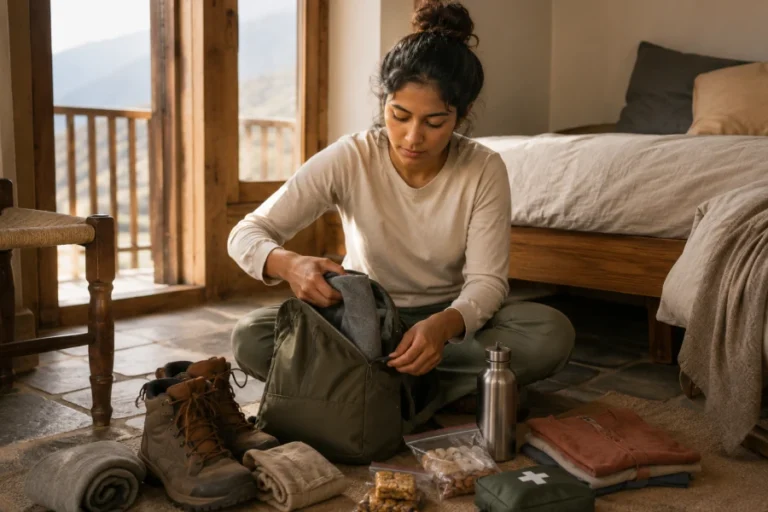
Useful planning reduces the number of decisions you must make outside. Group your gear by function rather than by imagined scenarios. Prepare food that travels well and does not require elaborate cleanup. Lay out clothing the night before to avoid rushed substitutions. Check whether public transit times or fuel prices change your route choice. Use off-season hiking trips to find quieter windows with less pressure. Shoulder-season outings can offer easier reservations and gentler crowds. Still, confirm conditions carefully because weather can be less predictable. Keep your plan lean enough to explain in two minutes. A clear, simple setup creates more space for the actual landscape.
Once you return, review the plan as a tool rather than a verdict. Which timing estimate was accurate, and which one was optimistic? Did you carry too much food or underestimate transit time? Write down one adjustment before the details fade. Keep a running file for routes that deserve another visit. Reuse headings for travel, costs, weather, and notes. The format should become quicker with every weekend. Planning gets easier when your previous experiences remain accessible. Soon, familiar decisions will take almost no time at all. That is when a modest trip feels both spontaneous and well supported. That small record helps future decisions feel instinctive without sacrificing the flexibility that makes weekends truly restorative.
A reusable weekend plan should improve with every outing. Save the routes that felt easy to reach and satisfying to walk. Notice which departure times gave you the best energy. Keep a small list of meals, layers, and transit options that worked. This record prevents every new hike from starting at zero. It also makes an open Saturday feel full of possibility. Your framework can stay simple while your experiences become richer. The most useful plan is the one you trust enough to use. With practice, preparation becomes faster, lighter, and more enjoyable. That is how a calm hiking routine gains momentum.



Leave a comment