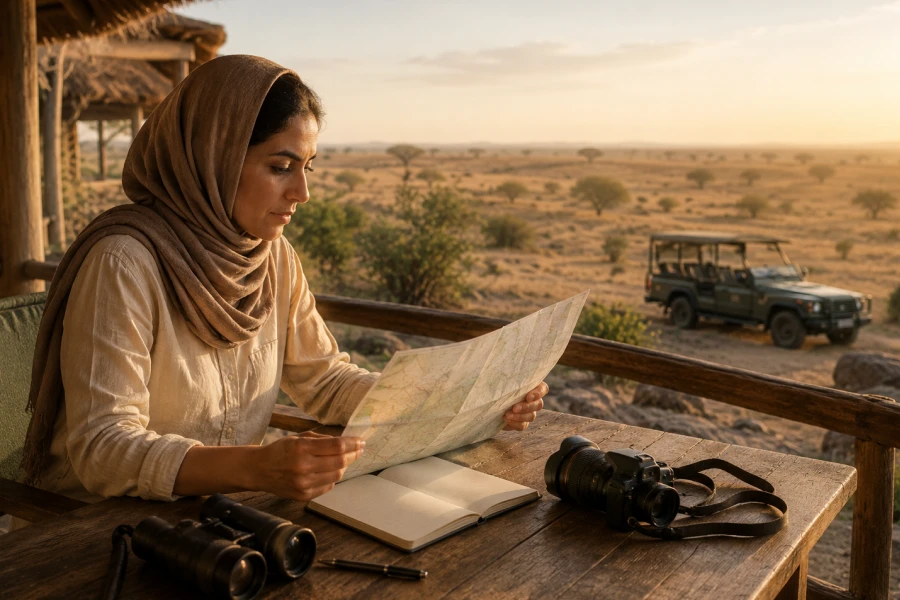
Safari planning becomes more rewarding when the schedule follows the habits of the landscape. A budget safari itinerary can turn limited funds into more meaningful hours outdoors. Begin with the moments wildlife is most active rather than expensive extras. Dawn drives and late-afternoon observation often matter more than lavish amenities. Give yourself time to watch instead of rushing between distant parks. This creates a calmer trip with fewer transfers and fewer surprise expenses. It also lets you notice changes in light, sound, and animal behavior. Good planning does not try to control every sighting. It creates conditions where attention has room to grow. The result is a journey that feels rich because it is well paced. It also helps you avoid paying extra simply to move faster through an unfamiliar region.
Wildlife schedules should influence the itinerary before accommodation choices do. Early mornings and late afternoons often reward patience better than packed midday plans. Build rest, meals, and transfers around those stronger viewing periods. This protects your energy and avoids paying for activities you cannot fully enjoy. Use affordable safari destinations to find regions with strong access and sensible distances. One well-chosen area can provide varied habitats without constant packing. Check seasonal conditions before you commit to specific dates. Water levels, migration patterns, and road quality affect the daily rhythm. A realistic wildlife-first schedule makes the whole trip feel less rushed. It also gives your budget a clearer purpose. This steadier approach makes it easier to follow informed advice without losing your own priorities.
Choosing a single region often delivers more than chasing a list of famous parks. Each transfer costs time, fuel, and energy that could become another quiet observation hour. Stay long enough to learn the sounds and shape of one place. Return to a waterhole or track at different times of day. Familiarity can reveal more than a fast sequence of new scenery. Build your route around reliable access instead of prestige. Ask what the area offers across several days, not just one headline sighting. A compact itinerary also makes delays much easier to absorb. The pace becomes steadier when every night is not a relocation. That steadiness can be one of the trip’s greatest luxuries. Those comparisons reveal how a small scheduling change can save both money and energy.
Transportation decisions deserve the same attention as the daily viewing plan. Compare driving days, shared transfers, and guided options by what they require from you. A low price can become expensive if it creates exhausting arrival times. Use a safari cost planner and safari transportation tips to compare the whole route. Include fuel, transfers, entry fees, and the time each option takes. Keep travel days lighter whenever possible. A gentle arrival leaves more energy for the first evening outdoors. Avoid building a schedule that depends on every connection working perfectly. Extra margin is valuable in remote environments. It protects both your patience and your opportunity to observe.
The most useful safari budgets separate essential wildlife time from optional upgrades. Decide early which experiences deserve a guide and which suit independent observation. Price meals, lodging, park fees, transport, and communications in one visible place. Then compare what changes when you add another night. An extra evening in one good area may be worth more than another long transfer. Keep a small buffer for weather, detours, or a shared activity that becomes available. Use AI safari itinerary tools to explore options without surrendering your judgment. Technology can organize comparisons, but local conditions still deserve the final say. Clear costs make it easier to spend confidently. They also prevent one attractive upgrade from shaping the entire trip.
A strong safari schedule leaves unclaimed space for what cannot be booked in advance. A guide may hear fresh information about animals nearby. Weather may turn a slow morning into an unforgettable afternoon. Leave enough flexibility to follow those opportunities without sacrificing rest. Keep notes on which drives, paths, or quiet moments felt most rewarding. Those details will make future planning more intelligent. Do not measure success by a list of animals checked off. Measure it by how present you were when the landscape offered something. Patient observation creates stories that cannot be purchased separately. A thoughtful plan simply gives those stories more room to happen.
When the day ends, a simple review can sharpen the next one. Note where the light was best and where travel took longer. Remember the quiet intervals as carefully as the biggest sightings. These observations can reshape a later schedule more effectively than a generic itinerary. They also reveal which costs delivered genuine value. Keep the planning process flexible enough to learn from the landscape. A good route grows more human as you return to it. Its success lies in attention, not in perfect execution. The strongest plans create more time for the natural world. That is the kind of value no upgrade can replace.


Leave a comment