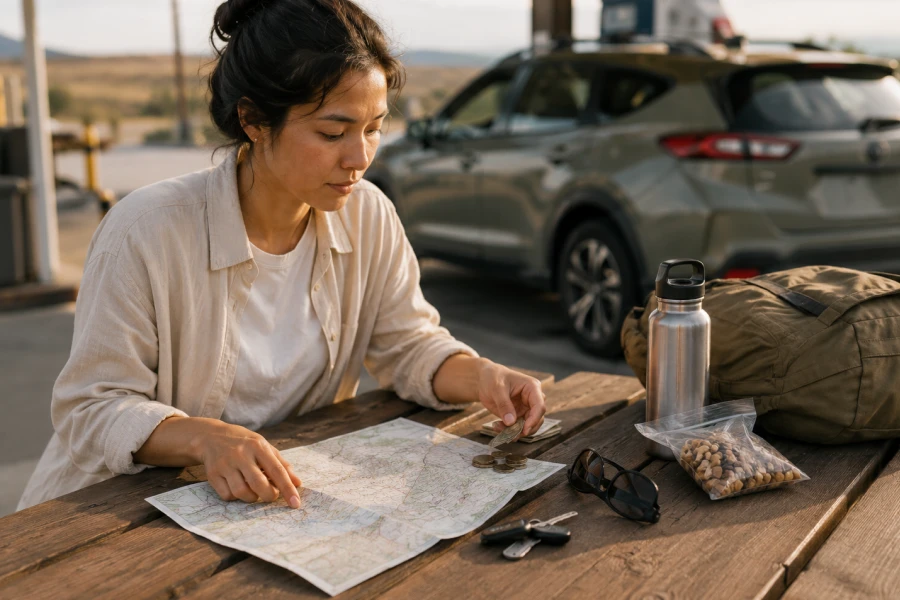
The first stretch of open road can feel equal parts exciting and unfamiliar. First-time solo road trips become easier when you make the first day deliberately small. Choose a route with clear services, easy stops, and no pressure to prove independence. The goal is not to drive far. It is to learn how you feel when the day belongs entirely to you. A short trip offers plenty of useful lessons. You can test your car routine, rest habits, and sense of direction. That knowledge turns the second drive into something calmer. Start close enough that changing your mind remains simple. Confidence grows quickly when the route feels like an invitation rather than a test. That gentle beginning gives you plenty of space to enjoy the independence that first inspired the trip.
Build the first day around a destination you can reach without strain. Include time for fuel, food, photos, and an unplanned pause. Pick roads that feel comfortable in daylight and avoid stacking unfamiliar conditions. A scenic loop can be more satisfying than a distant landmark. Keep one simple reason for the trip in mind. Maybe you want a lake, a small town, or a quiet view. Use a solo road trip planner to make those decisions visible before departure. Write down your planned stops and one alternative for each. The list does not need to be perfect. It simply gives you a calm starting point when the road begins. These systems are most useful when they remove little uncertainties before they accumulate into stress.
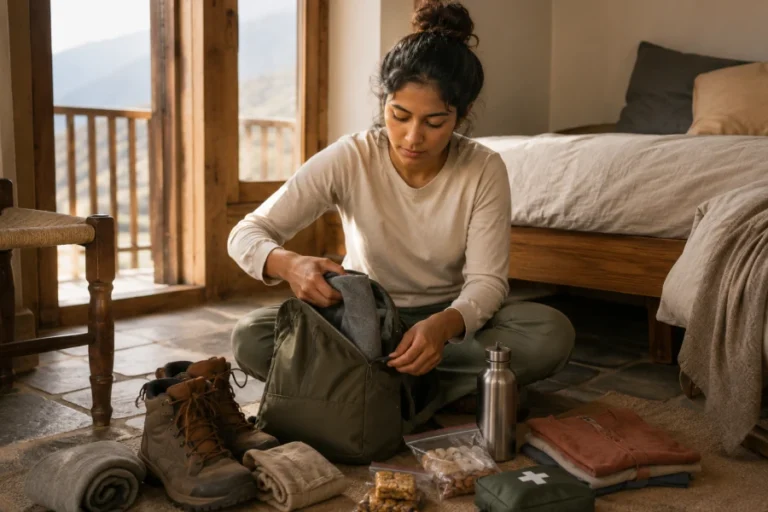
Confidence comes from small rehearsals before it comes from distance. Practice checking tire pressure, fuel level, lights, and windshield fluid at home. Test phone charging, downloaded maps, and your favorite audio before you need them. Pack your bag where it can be reached without unpacking everything. Keep water, snacks, and a light layer within easy reach. Decide how often you prefer to pause on ordinary drives. These details may sound minor, but they reduce decision fatigue. A familiar routine frees attention for the landscape and traffic. It also makes a wrong turn feel like a small adjustment. Preparation turns uncertainty into something you can handle. The more familiar the basics become, the more room you have to appreciate the journey.
Your car needs a basic ritual before each longer day on the road. Walk around it slowly and look for anything unusual. Check the dashboard before you pull away from the first stop. Keep a small pouch with documents, charger, and necessary contacts. Use navigation app strategy to prepare for areas with weak service. Download routes and confirm that the audio directions work. Avoid relying on a single device or one last-minute search. A short check can prevent a long afternoon of avoidable stress. This routine does not make travel rigid. It makes the flexible parts feel more enjoyable.
Stops are part of the trip, not failures to keep moving. Pull over before you become hungry, restless, or too tired to focus. Choose well-lit places with obvious activity when you need a break. Walk a few minutes, stretch your shoulders, and drink water. Look at the route again without trying to solve the entire day. A calm pause can restore better judgment than another hour behind the wheel. Let your energy, not just the clock, shape the next leg. If a stop feels uncomfortable, leave and choose another. Your instincts become clearer when you give them space. That is a valuable skill for any independent traveler. That knowledge turns even ordinary highway choices into opportunities for more deliberate travel.
Solo travel teaches you what kind of rhythm helps you feel most alive. Keep a short note after each day about the roads, stops, and moments you enjoyed. Consider which choices made you feel capable and which ones felt rushed. Use solo traveler confidence as something you build through evidence, not bravado. Every smooth refuel, quiet meal, and well-timed rest break adds evidence. You do not need to become fearless to enjoy the road. You need systems that make you feel supported. The best first trip often looks modest from the outside. From the driver’s seat, it can feel transformative. Your personal routines will become a dependable companion long before the road feels fully familiar.
After returning, keep the first route as a reference point rather than a finished test. Note what felt natural before planning a longer journey. Maybe you enjoyed dawn starts or preferred late afternoon arrivals. Perhaps an unplanned stop became the strongest part of the day. These observations make the next route more personal. Each drive gives you evidence about what helps you thrive. You can build distance gradually without losing the sense of discovery. Confidence does not arrive all at once. It grows through many ordinary decisions that go well. That makes every future road feel a little more open.

Leave a comment