
A road trip feels more freeing when every mile is not followed by a money worry. A road trip budget for beginners gives the journey a realistic shape before spending begins. The simplest approach is to separate fixed costs, daily needs, and flexible treats. This keeps the numbers useful rather than intimidating. You can see what must be paid and what can change. It also makes room for the small pleasures that make travel memorable. A good budget should not punish every detour or coffee stop. It should show which choices need thought and which choices can stay spontaneous. Begin with a clear total, then break it into understandable pieces. That structure makes the road feel more open, not less. A little structure early on can prevent minor purchases from feeling mysterious later in the week.
Start with three categories that answer different questions. Fixed costs include accommodations, entry fees, insurance, and any booking deposits. Daily needs cover fuel, food, parking, and regular supplies. Flexible money is for detours, treats, local shops, or a better overnight stop. Add a small buffer before deciding the trip is affordable. This protects you from weather changes and honest mistakes. Use a road trip expense tracker to see patterns after the trip begins. Keep the format simple enough to update in minutes. A short record prevents vague anxiety from taking over. You will know what remains without calculating every purchase from memory. This kind of overview makes it easier to choose convenience when it genuinely helps.
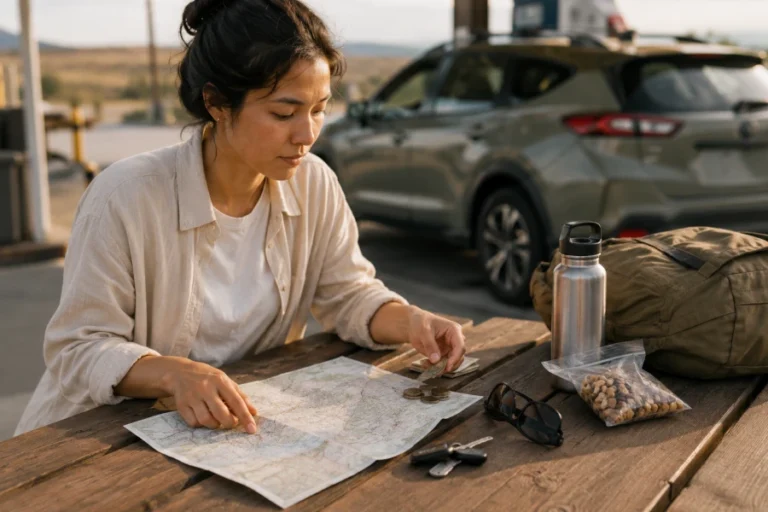
Look at the whole route rather than adding costs one day at a time. A cheap room may sit far from the road you need tomorrow. A scenic detour may add fuel but remove an expensive activity. Check the distance between stops before you decide where to sleep. Estimate meals honestly, including the moments when you will not want to cook. Add parking, tolls, and small supplies that rarely make the first list. Then compare two versions of the trip side by side. One may cost slightly more but feel much easier to manage. The best budget supports a journey you can actually enjoy. It does not force every day into the narrowest possible total. That choice gives you permission to respond to the road without abandoning your financial intentions.
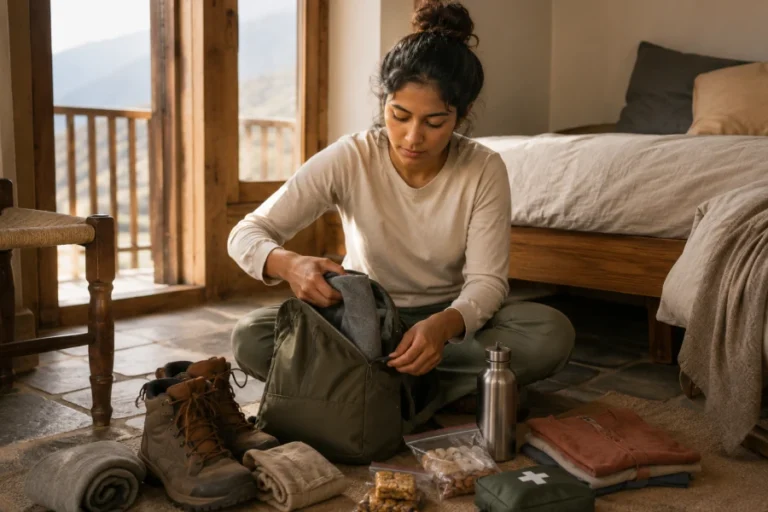
Food and fuel both become easier when you prepare for changing moods. Pack a few reliable snacks, but leave room for one local meal. Fill the tank before remote stretches rather than waiting for the ideal price. Choose grocery stops that match the next day’s driving plan. Use a road trip packing system to keep basics easy to reach. A cooler or small food bag can prevent rushed, expensive choices. Still, do not overpack enough food to make every meal feel repetitive. Balance simple preparation with the pleasure of discovering a place. That balance is what keeps a practical budget from feeling restrictive. It also protects your energy when the road runs longer than expected.
A budget becomes more useful when it expects the occasional detour. Set aside a separate amount for changes you cannot predict. You may find a viewpoint, museum, or comfortable stop that genuinely improves the day. You may also need to reroute around weather or construction. Use flexible stop planning to decide what is worth changing for. The question is not whether every surprise is cheap. The question is whether it adds enough value to justify the shift. A designated buffer lets you answer without guilt. It turns flexibility into part of the design. That is often the difference between a tense trip and an enjoyable one.
At the end of each day, glance at the numbers without judging yourself. Notice where spending felt worthwhile and where it felt automatic. Maybe the room saved energy for tomorrow. Maybe a convenience purchase prevented a longer delay. Keep these observations for the next trip. They will become more helpful than a perfect forecast. A good budget is a conversation with your priorities. It changes as the road teaches you what matters. Leave yourself room to be a beginner. Learning how you travel is one of the best returns on the entire trip. Small adjustments add up.
A healthy travel budget gets more accurate as you learn your own habits. Keep the categories that helped and simplify the ones you ignored. You may discover that comfort matters more than souvenirs. You may learn that scenic detours are worth protecting in advance. These are useful results, not planning mistakes. Every trip teaches you how to spend more deliberately next time. The goal is not perfect control over every dollar. It is a route that feels sustainable and enjoyable. Let the numbers support your curiosity rather than limit it. That balance makes a budget something you will actually keep using.


Leave a comment