Safety planning should make a solo drive feel lighter, not smaller. Solo road trip safety tips work best when they become simple habits before departure. A calm routine can reduce uncertainty without turning every mile into a warning. Start with the car, the route, and the way you will communicate. Then prepare for ordinary problems such as a dead phone or delayed arrival. Most issues become manageable when you have considered them early. The point is not to predict every possibility. It is to make your next decision easier when something changes. A prepared traveler can stay observant without feeling tense. That balance helps the road remain a place of freedom. These habits create a calmer departure and a more confident return, even on unfamiliar routes. That perspective keeps the plan focused on action rather than imagined danger.
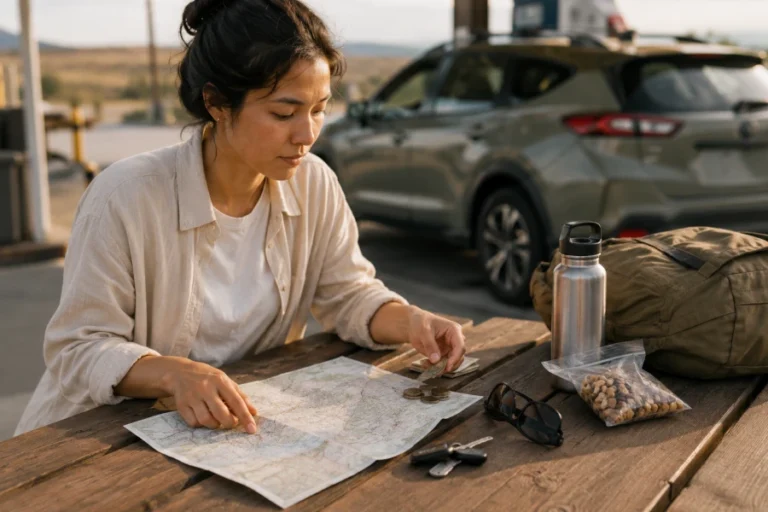
Begin with a short car check in daylight before any longer drive. Look at tires, lights, fluids, wipers, and the fuel level. Keep your documents, charger, and basic contacts in one accessible place. Use a road trip car check as a repeatable pre-departure ritual. Small checks matter because they prevent hurried problem-solving later. Confirm the route and download important maps before leaving service. Tell one trusted person your destination and expected arrival window. Update them when plans change in a meaningful way. This is not about constant reporting. It is a simple safety net that supports independence. A simple system also helps you distinguish manageable inconvenience from a situation that needs support.
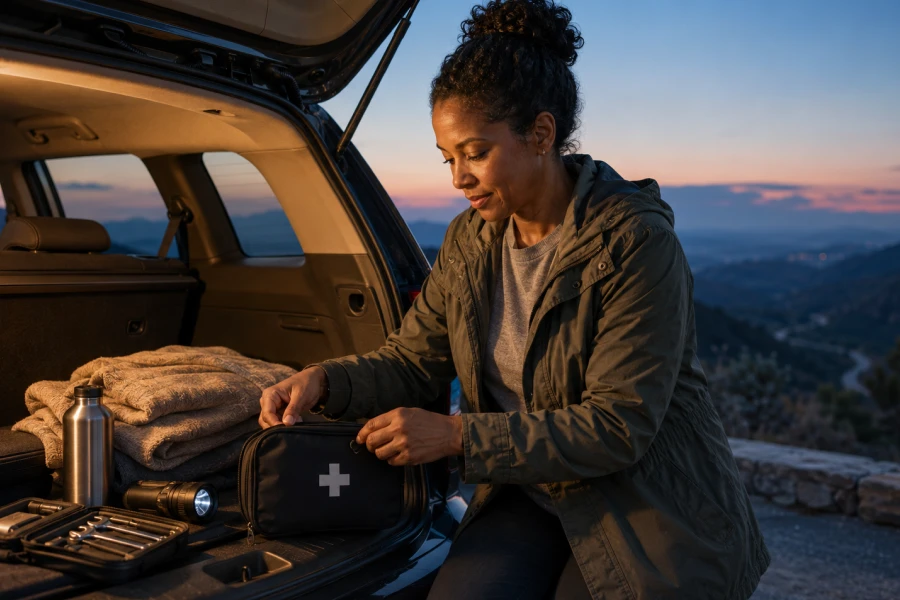
A response plan works best when it stays short enough to remember. Decide what you would do if you felt too tired to continue. Know where your flashlight, blanket, water, and basic tools are stored. Keep an emergency travel kit in the same part of the car every time. Practice finding key items before you actually need them. Save roadside assistance information in more than one place. A paper note can be useful when a phone battery is low. Think through the first two steps, not a dramatic worst-case scenario. Clear first steps often prevent panic from taking over. They also help you recognize when asking for assistance is the right choice. This awareness can be one of the strongest forms of preparation you carry with you.
Overnight stops deserve the same attention as the driving route. Choose accommodations or campgrounds with clear arrival information and recent reviews. Avoid pushing through fatigue just to reach a planned destination. If a place feels wrong, leave before settling in. Use safe overnight stops to compare practical options ahead of time. Park in visible, well-used areas when you need a break. Keep valuables out of sight and your keys easy to reach. Trust discomfort without needing to explain it away. A good stopping plan helps you sleep better and drive better tomorrow. Rest is one of the most important safety tools you have.
Attention is a resource that needs protection throughout the day. Eat before you become distracted by hunger. Stop before your shoulders tighten or your eyes lose focus. Keep audio and notifications at a level that supports awareness. Do not use a difficult conversation to fill a long stretch of road. Notice changing weather, road surfaces, and the behavior of drivers around you. A quiet car can sometimes be the best choice. Use breaks to reset before small irritations become larger errors. There is no prize for driving while depleted. Good judgment usually arrives after you have given yourself a moment. That is why an unhurried pace is safer than a perfect schedule. Simple preparation lets each familiar habit do more work when the situation changes.
Prepared travel is not fearful travel; it is travel with fewer hidden burdens. Review what helped after each day and adjust the system. Maybe your phone mount needs a better position. Maybe a regular fuel rule would make remote roads less stressful. Keep the solutions practical and personal. You are building a set of habits that supports the way you drive. The road should still feel curious, spacious, and alive. Safety simply gives that feeling a stronger foundation. When you know how to respond, you can enjoy the journey with a clearer mind. Calm systems protect both your attention and your confidence.
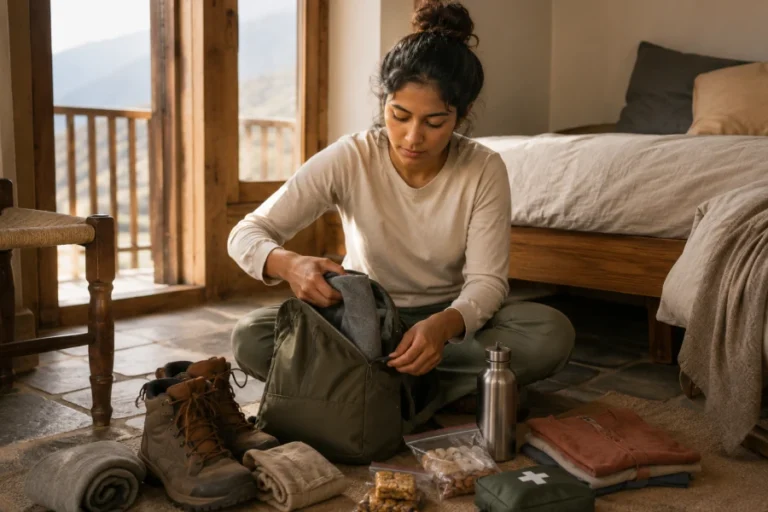
Bring the same calm mindset home with you after the drive. Notice which preparations helped and which ones felt unnecessary. Simplify the system until it works almost automatically. A personal safety routine should be easy to maintain between trips. It should make the next departure feel lighter, not more complicated. Each good decision reinforces your ability to travel independently. You will become better at recognizing what deserves attention. That awareness supports both safety and enjoyment. The road can remain adventurous without becoming careless. Preparation is simply the quiet structure underneath a freer journey.


Leave a comment