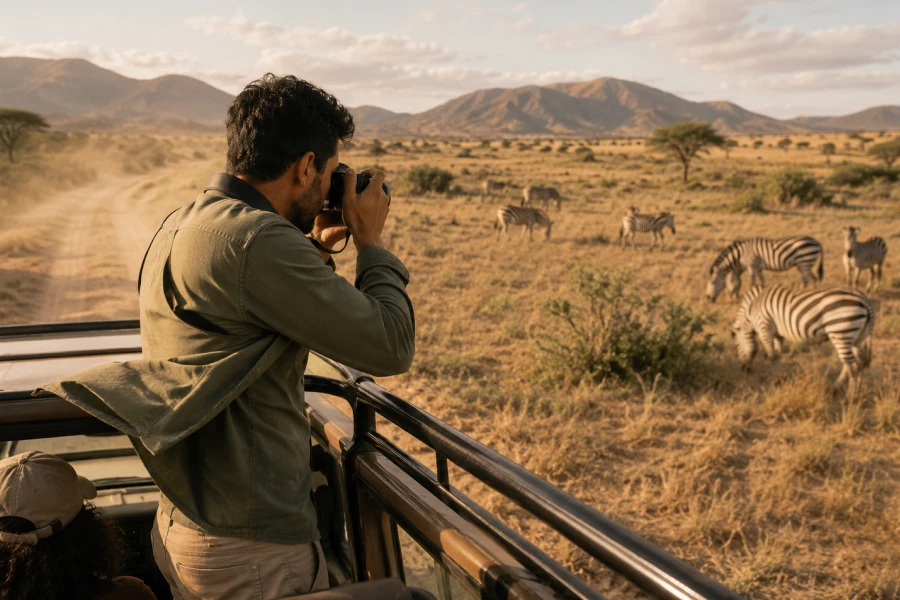
The wild often reveals itself slowly, long after the rush to see everything fades. Wildlife safari on a budget becomes more satisfying when patience replaces constant motion. You do not need an extravagant schedule to notice a fresh track or sudden call. You need time, curiosity, and a respectful way of moving through the landscape. That approach naturally supports wiser spending. It also reduces the pressure to turn every hour into a purchase. Build the trip around observation, not accumulation. Give yourself permission to return to the same place twice. Familiarity can make the smallest shift feel extraordinary. A slower rhythm lets the safari become an experience instead of a scoreboard. This patient approach keeps the emphasis on place, behavior, and the rhythms that connect them.
Responsible travel begins with choices that protect wildlife and respect local communities. Keep distance, follow park rules, and avoid activities that manipulate animal behavior. Ask questions about how guides and camps support conservation practices. Choose providers that value the landscape beyond a single photo opportunity. Research ethical wildlife travel before deciding which experiences deserve your money. A good operator will explain why certain routes or viewing limits matter. Accepting those boundaries often leads to calmer, more natural encounters. Your presence should not make animals change their lives for your itinerary. Ethical choices also reduce the chance of expensive disappointments. They create a safari you can remember with genuine pride. It also makes every choice easier to evaluate through the lens of respect rather than urgency.
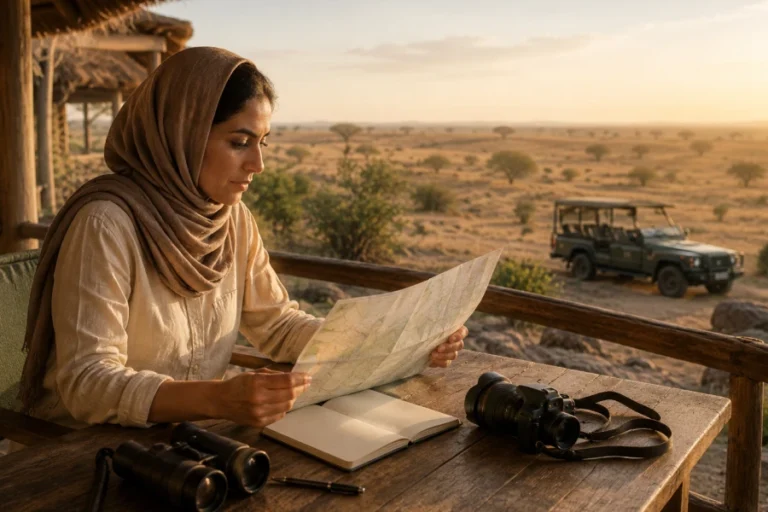
A smaller budget can encourage a more observant and creative kind of travel. Spend time watching bird behavior near camp before paying for another excursion. Look for tracks, insects, shadows, and changing light between major sightings. These details often become the texture of the story you tell later. Return to a familiar spot at dawn and dusk. The same landscape can feel entirely different in each hour. Use wildlife viewing strategy to prepare without treating nature like a guarantee. Guides can offer context, but they cannot promise a scripted scene. Keeping expectations flexible makes unexpected moments more valuable. It also keeps the day open to quiet forms of wonder. That simplicity keeps the focus where it belongs, on the landscape rather than on logistics.
Movement should serve the landscape rather than interrupt it all day. Limit long transfers that leave you tired during the strongest viewing windows. Choose one or two areas where you can settle into a local rhythm. Listen when a guide recommends waiting instead of driving farther. A pause may bring more than another hurried loop. Build simple meals and rest into the schedule so attention does not collapse. Carry water and a light layer for changing temperatures. Let the day feel spacious even when the itinerary is modest. Slow travel often costs less because it asks for fewer complicated arrangements. It also gives wildlife the distance and calm it deserves.
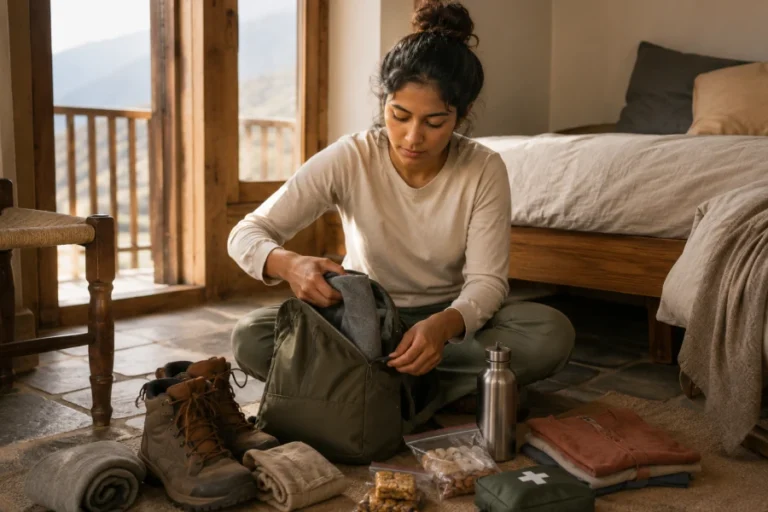
Packing lightly makes daily movement easier and reduces the urge to overprepare. Choose neutral, breathable clothing that layers across cool mornings and warm afternoons. Bring a refillable bottle, sun protection, and only the camera gear you can comfortably carry. Check safari packing essentials before filling a bag with unused extras. Simple equipment is easier to protect from dust and easier to find quickly. A smaller kit leaves more mental space for looking outward. It also makes shared vehicles and camps more comfortable for everyone. Keep a repair pouch small but practical. Good packing supports attention rather than competing for it. That is exactly what a thoughtful safari needs.
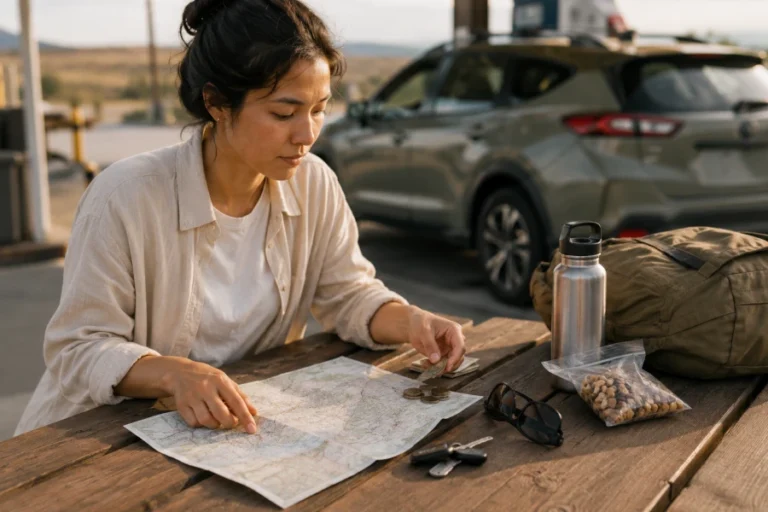
A meaningful journey should leave more than images behind and less disruption around it. Spend locally when possible and ask how your visit contributes to conservation. Keep waste low, reuse containers, and follow every area-specific instruction. Use a self-drive safari planning and safari travel savings approach when it matches your skills and local guidance. Independent travel can be rewarding, but it requires preparation and humility. Do not treat reduced cost as permission to cut safety or ethical corners. The best savings come from choosing fewer, better moments. Those moments carry more weight when they respect the place that made them possible. A lighter footprint can make the entire experience feel deeper. It also keeps your attention available for the animals rather than for managing equipment.
The details you notice will stay with you longer than a crowded schedule. Record the sounds, weather, and quiet patterns that shaped each day. Share what you learned in a way that honors the place. Let the trip encourage future choices that remain respectful and curious. A modest itinerary can still feel expansive when you stay attentive. It can also support local communities and conservation through better decisions. This is the deeper benefit of traveling slowly. You leave with more than photographs and fewer unnecessary demands. The experience becomes part of how you see the world. That is an outcome worth protecting.

Leave a comment