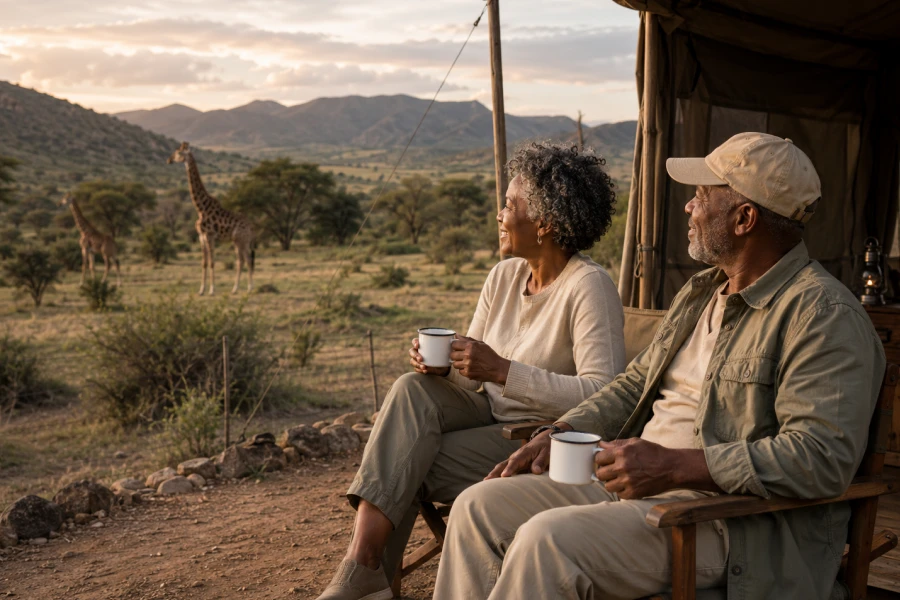
A safari does not need a luxury script to feel expansive and unforgettable. Affordable safari travel begins by deciding what you want to remember afterward. Perhaps it is the first birdsong before sunrise or a quiet evening drive. Maybe it is learning a landscape slowly instead of rushing through highlights. Those priorities make the budget less abstract. They help you spend on experiences rather than appearances. Start with a full cost story, including arrival, local transport, food, entry, and rest. Then look for places where comfort supports the day rather than steals from it. A practical plan can feel deeply generous when it matches your actual values. The goal is a trip with attention, not a trip built for display. That perspective makes it easier to recognize when a polished option adds little to your actual experience.
Write every expected expense down before choosing the most attractive lodge photos. Include airport transfers, tips, entry fees, meals, communications, and one unexpected day. This creates a clearer total than a nightly rate ever can. A lower room price may hide costly transportation or limited food options. Conversely, a slightly higher base can reduce friction elsewhere. Use arrival and departure times to test the true value of each package. Avoid squeezing too many paid activities into one tired day. Good planning treats energy as part of the budget. When you see the whole picture, trade-offs feel calmer. You can then choose the version of the trip that supports your pace. It also helps you reserve funds for the moments that make the landscape feel closer.
Lodging works best when it makes the most valuable hours easy to reach. A simple camp near a wildlife area may beat a polished room far away. Look for clean, safe places with reliable access to morning drives. Compare what is included before assuming a rate is expensive. Review budget safari lodges for choices that align location and practical needs. Consider shared spaces, self-catering options, and group transfers when they are comfortable. Read recent details about water, power, and road conditions. The goal is not to remove every inconvenience. It is to avoid inconveniences that undermine the entire day. A well-placed base can make a modest safari feel surprisingly spacious. A careful comparison can transform apparent compromises into choices that genuinely suit your travel style.
Comfort is worth paying for when it protects sleep, safety, hydration, or recovery. It matters less when it only adds decoration to a schedule. Choose the upgrades that give you more useful time outside. A quiet room before dawn may be more valuable than a large room at midday. A meal plan can help when local options are far away. Use safari camping options to compare what simplicity actually looks like. Camping can reduce costs while creating a closer rhythm with the landscape. Still, choose arrangements that feel safe and manageable for your experience level. Practical comfort allows curiosity to last longer. That is a better measure of value than luxury labels.
Timing often changes costs more dramatically than small cuts to daily spending. Shoulder seasons may offer gentler prices and fewer crowded viewing areas. Research weather patterns carefully because the cheaper dates may carry real trade-offs. Consider arriving one day earlier if it reduces a difficult transfer. Ask whether midweek departures shift transportation costs. Use guided safari comparison to decide when a guide adds meaningful access. A shared drive may deliver stronger wildlife knowledge than a private vehicle you barely use. Build the schedule around the choices that multiply good hours. Smart timing keeps the budget from feeling like a list of denials. It can even create a more relaxed experience.
The lasting value of a safari usually comes from what you noticed, not what looked expensive. Leave room for slow breakfasts, quiet overlooks, and conversations with people who know the region. Pack thoughtfully, rest when needed, and let one good sighting be enough. Keep a few notes about where money felt well spent. Those observations are more useful than generic travel rules. They will help you plan the next adventure with greater confidence. A modest trip becomes memorable when it gives you time to be fully there. The clearest plan is one that protects that attention. In the end, thoughtful choices feel richer than a luxury script ever could. That distinction will make future choices much easier.
Return home with a clearer understanding of what made the trip feel abundant. It may have been a well-timed drive, a welcoming camp, or an unhurried meal. Keep those details for your next decision. You do not need a luxury standard to plan a meaningful journey. You need enough comfort, time, and access to stay engaged. The most memorable safari often feels simple in retrospect. It unfolds through small choices that matched the landscape. Let that clarity guide the next adventure. Thoughtful travel keeps its value long after the final bill. That is a reward worth planning for.



Leave a comment